

Irresistible Whole Wheat Orange Rosemary Scones: Your Perfect Brunch Indulgence
Begin your day on a delightfully wholesome note with these utterly delicious and remarkably easy whole wheat orange rosemary scones. Crafted with the vibrant zest and juice of fresh oranges, the aromatic complexity of fresh rosemary, and the hearty goodness of whole grain whole wheat flour, these scones are a simple pleasure waiting to elevate your breakfast or brunch table.

From California Sunshine to Minnesota Comfort: The Inspiration Behind These Scones
Five months into our move to Minnesota, life here has truly blossomed, even amidst the whirlwind of settling in. The landscape is transforming with the official melt of winter snow, and warming temperatures are stirring a vibrant excitement for planting our new garden. While I feel incredibly fortunate to have access to fresh food wherever I am, there’s a particular luxury I’ve often reminisced about from our California days: the effortless proximity to where our food was grown. Living within a mere 100 miles of a farm, where lettuce tastes distinctly crisper because it traveled such a short distance, is a unique joy that California offered.
I know Minnesota’s bountiful summer will bring its own local treasures, especially once our garden takes root. And while it may not replicate the year-round abundance of California, that’s perfectly alright. There was a small sigh of adjustment when I paid $4 for a small sprig of rosemary at the grocery store, a herb that once grew like an untamed shrub right outside my doorstep. Yet, a wonderful discovery followed: these homemade orange rosemary scones, imbued with store-bought rosemary, taste just as incredibly satisfying and flavorful as if they were made with freshly clipped sprigs. It’s a testament to the magic of baking and the power of simple, wholesome ingredients to create pure comfort.
The Harmony of Flavors: Why Orange and Rosemary Work Wonders
These whole wheat orange rosemary scones are truly a revelation in taste! The idea for this unique flavor combination struck me one morning, and the result was simply too good not to share. The fresh rosemary, rather than overpowering, lends a subtle, herbaceous undertone that perfectly complements the bright, sweet-tart notes of the orange. It’s an unexpected pairing that creates an intriguing complexity without being challenging for the palate. If you’re searching for a slightly sweet, wonderfully buttery, and uniquely flavored addition to your breakfast or brunch spread, this recipe is guaranteed to impress. It’s a sophisticated twist on a classic, offering a delightful balance that appeals to both traditional scone lovers and adventurous foodies alike.
Beyond their delightful taste, these scones also offer the wholesome benefits of whole wheat flour, making them a more nutritious choice than their refined counterparts. The fiber and nutrients found in whole grains contribute to sustained energy and a satisfying feeling, ensuring you start your day feeling good. Paired with the vitamin C from fresh oranges and the antioxidants in rosemary, these scones are more than just a treat—they’re a nourishing indulgence.
Essential Ingredients for Flaky Orange Rosemary Scones
Crafting the perfect scone begins with understanding the role of each ingredient. For these whole wheat orange rosemary scones, every component is carefully chosen to contribute to their unique flavor and texture. Here’s a closer look at what you’ll need and why:
- Whole Wheat Flour: This forms the hearty base of our scones, providing a robust flavor and a good source of fiber. It contributes to a wonderfully tender crumb, distinct from traditional all-purpose flour.
- Coconut Palm Sugar (or Brown Sugar): Used as a natural sweetener, it imparts a subtle caramel note that beautifully enhances the orange and rosemary. Brown sugar is a fantastic alternative, offering a similar depth of flavor.
- Fresh Orange Juice and Zest: The star of the show! Freshly squeezed orange juice provides a vibrant tang and moisture, while the zest is crucial for delivering that intense, aromatic citrus punch. Don’t skip the zest—it’s where much of the essential oil and flavor resides.
- Fresh Rosemary: The distinctive herbal counterpoint to the sweet orange. Using fresh rosemary is key for its potent fragrance and delicate piney notes. Dried rosemary can be used in a pinch, but fresh provides an unmatched depth.
- Baking Powder and Baking Soda: These leavening agents work in harmony to give the scones their characteristic lift and airy texture. Baking soda reacts with the apple cider vinegar to create carbon dioxide, while baking powder provides additional rising power.
- Sea Salt: A pinch of salt is vital for balancing the sweetness and enhancing all the other flavors, making them pop.
- Egg: Acts as a binder, adding richness, moisture, and helping to create a tender, cohesive dough.
- Cold Butter: This is arguably the most crucial ingredient for achieving truly flaky scones! Cold butter creates pockets of steam as it melts in the oven, separating the layers of dough and resulting in a light, tender, and incredibly flaky texture. Ensure your butter is well-chilled and cubed before adding.
- Maple Syrup: Adds a touch of natural sweetness and helps to round out the flavor profile, complementing the orange and rosemary without being overly sweet.
- Milk of Choice: Any milk, such as unsweetened almond milk, dairy milk, or oat milk, will provide necessary moisture to bring the dough together.
- Apple Cider Vinegar: Works with the baking soda to create the necessary chemical reaction for lift, contributing to a lighter, fluffier scone.
Step-by-Step Guide: How to Bake Homemade Orange Rosemary Scones
Creating these delightful scones is a straightforward process, but paying attention to a few key techniques will ensure a perfect result every time. Follow these detailed steps to bake your own batch of irresistible whole wheat orange rosemary scones:
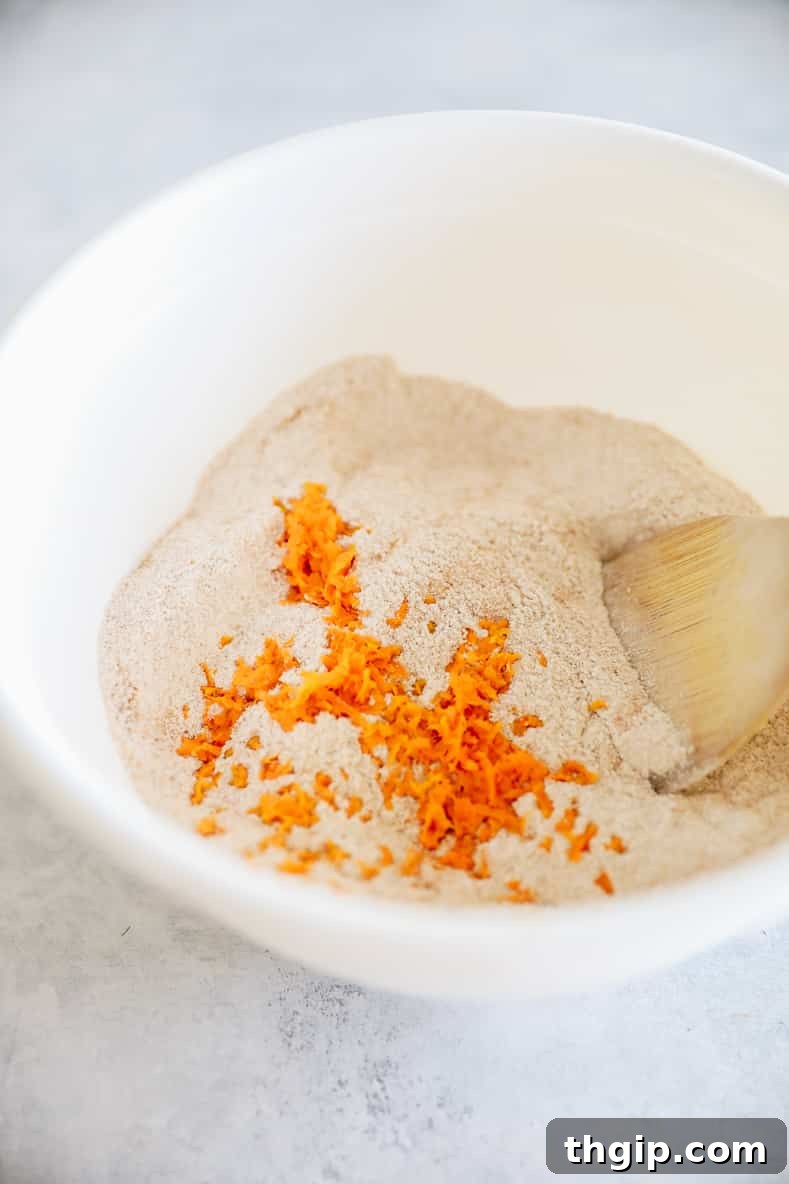
STEP 1: Prepare Your Dry Ingredients. In a large mixing bowl, combine the whole wheat flour, coconut palm sugar (or brown sugar), fragrant orange zest, baking powder, baking soda, and sea salt. Use a whisk to thoroughly combine these ingredients, ensuring the leavening agents are evenly distributed. This dry base sets the foundation for your scones. Set this bowl aside.
STEP 2: Infuse the Orange Juice with Rosemary. In a small saucepan, pour the freshly squeezed orange juice and add the fresh rosemary sprigs. Place the pot over medium-high heat and bring the mixture to a rolling boil. This step is essential for extracting the maximum flavor from the rosemary and infusing it into the orange juice, creating a fragrant base for your wet ingredients.

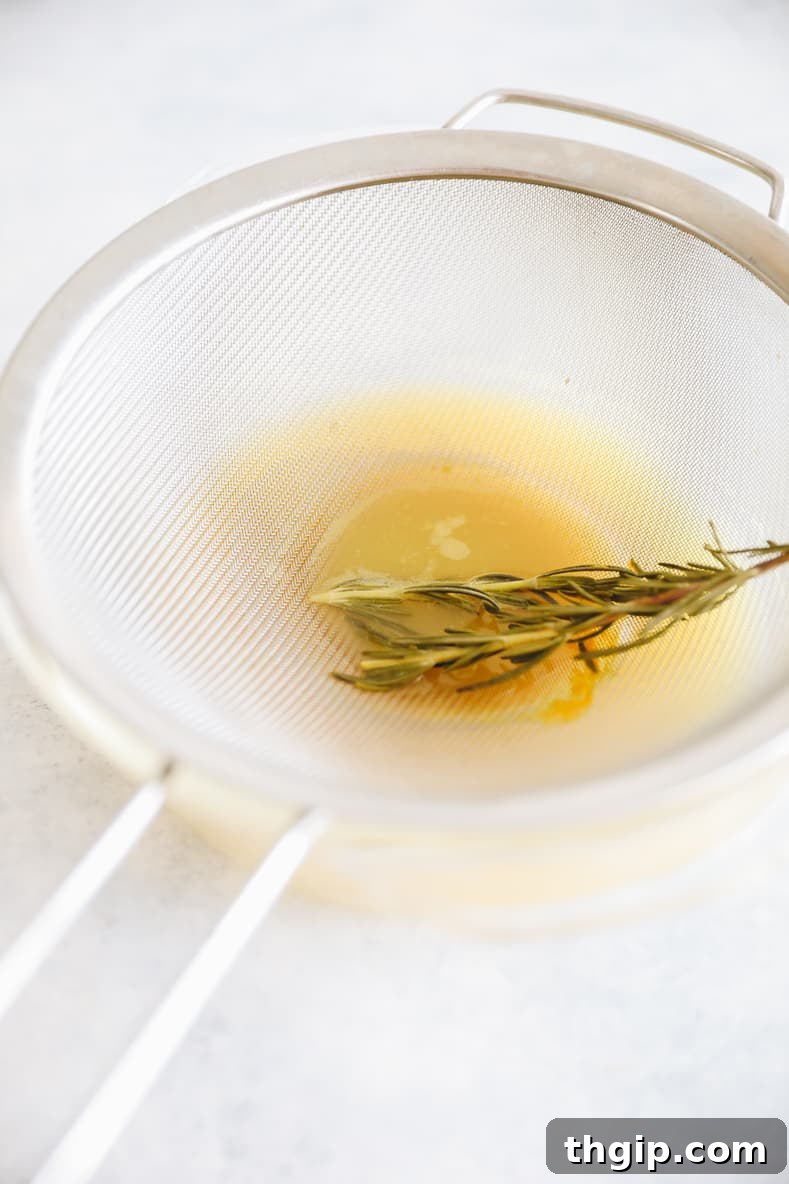
STEP 3: Simmer and Strain the Infusion. Once the orange juice and rosemary mixture reaches a boil, reduce the heat to a low simmer. Cover the pot and let it gently simmer for 5-10 minutes. This allows the rosemary to truly steep and release its oils into the warm orange juice. After simmering, turn off the stovetop. Carefully strain the orange-rosemary mixture through a fine-mesh strainer or cheesecloth to remove all the rosemary sprigs, leaving behind a beautifully fragrant liquid. Allow this infused juice to cool completely to room temperature before proceeding. This cooling step is important to prevent the butter from melting too early.
STEP 4: Combine Wet Ingredients. To the cooled orange-rosemary juice, add the maple syrup, your chosen milk, and the apple cider vinegar. Whisk these ingredients together until well combined. Finally, whisk in the large egg until the mixture is smooth and uniform. This completes your wet mixture, which should still be cool.

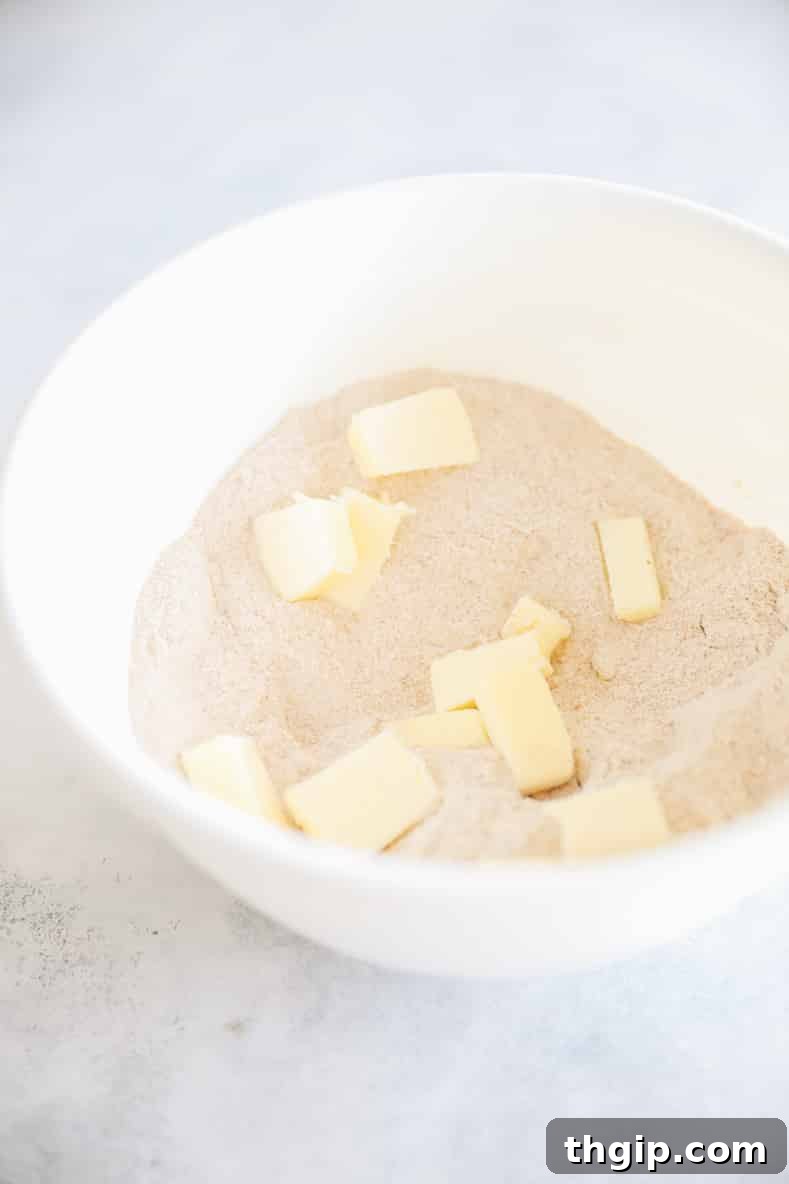
STEP 5: Incorporate Cold Butter into Dry Ingredients. Preheat your oven to 400 degrees F (200 degrees C). Now, return to your bowl of dry ingredients. Add the cold, cubed butter. Using your fingertips or a pastry cutter, work the butter into the dry mixture until it resembles coarse crumbs, with some pea-sized pieces of butter remaining. The goal is to keep the butter as cold as possible; avoid overworking it, which can warm it up. This step is crucial for achieving flaky scones.
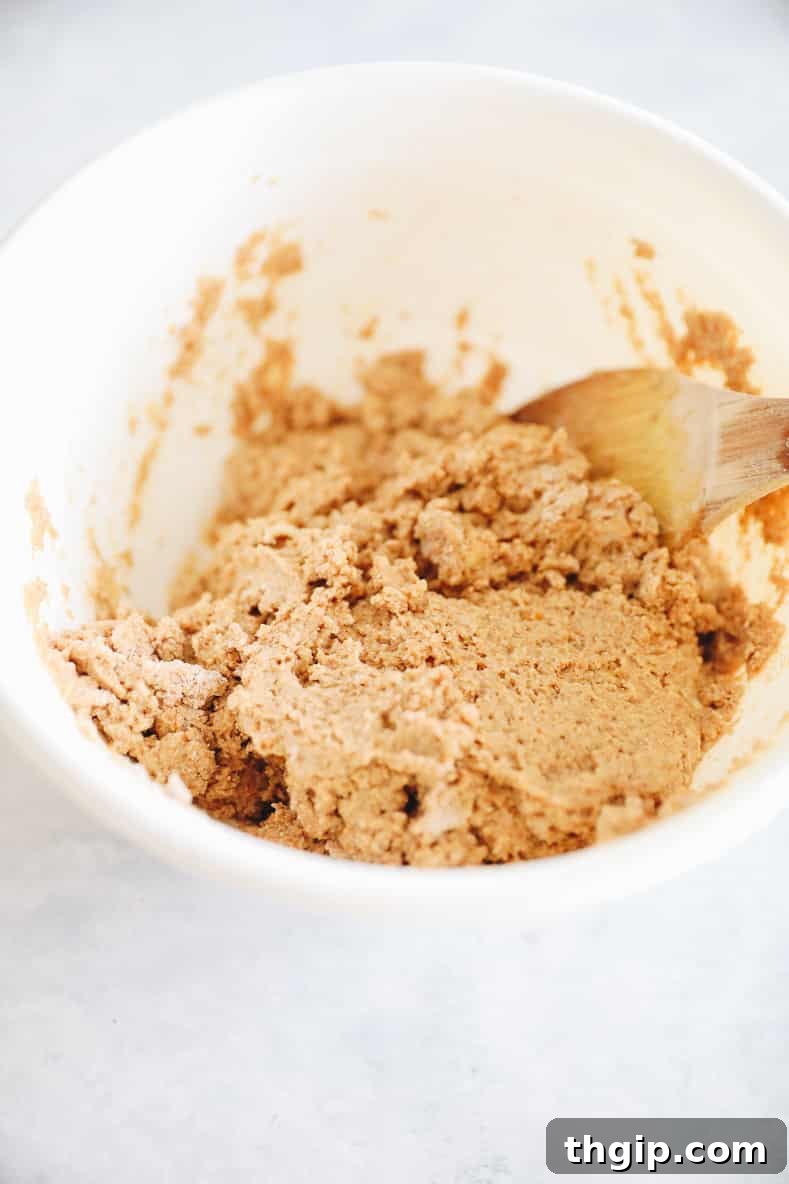
STEP 6: Gently Combine Wet and Dry Mixtures. Create a well in the center of your dry ingredients and pour in the wet mixture. Using a spatula or your hands, gently stir until just combined. The key here is to not overmix. Overmixing develops the gluten in the flour, leading to tough, dense scones. A few streaks of flour are perfectly fine; the dough should be shaggy and slightly sticky.
STEP 7: Form the Scone Dough. Lightly flour a clean surface. Transfer the scone dough onto it and gently gather it into a ball. Place the dough ball onto a baking sheet lined with parchment paper or a silicone baking mat. Using your hands, gently press the dough out into a large circle, approximately 1.5 inches thick and about 8-9 inches in diameter. Try to handle the dough as little as possible to maintain its tenderness.
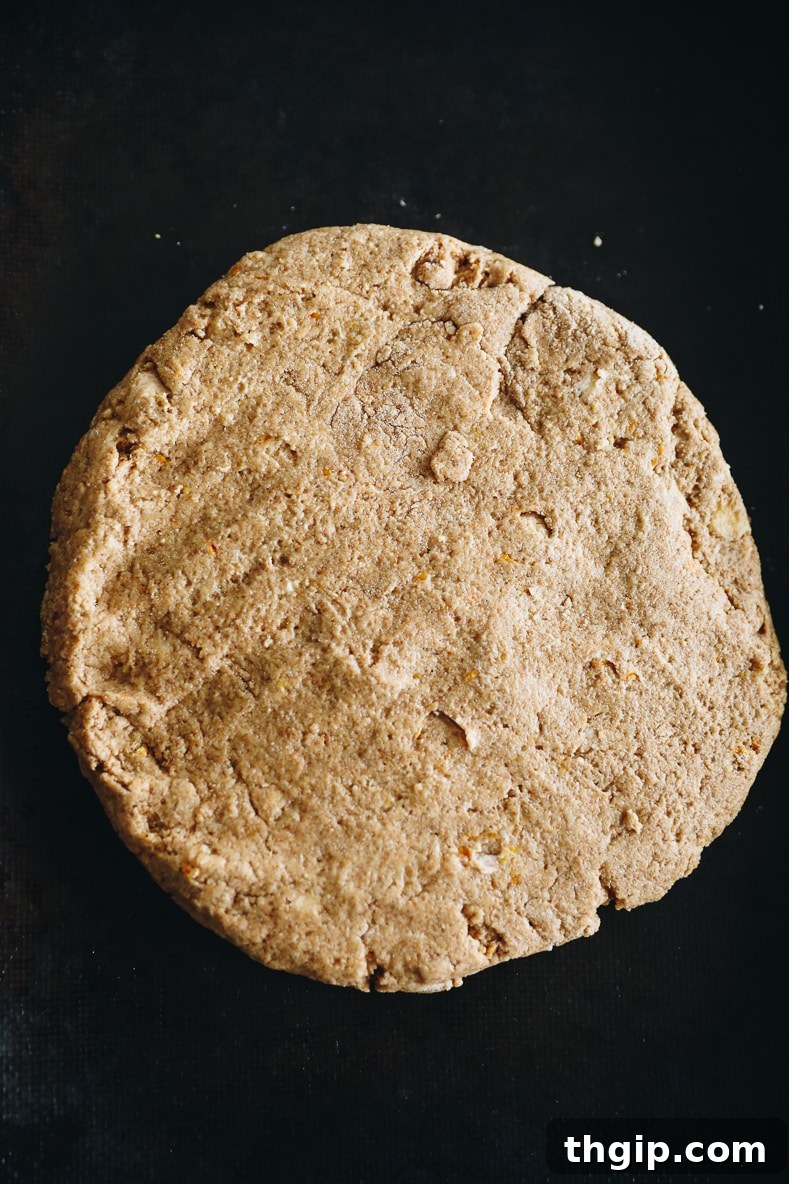
STEP 8: Cut and Arrange Scones. Using a sharp knife or a pastry cutter, slice the circular dough into 8 equal wedges, just like cutting a pizza. Carefully separate these wedges on the baking sheet, leaving a little space between each scone for even baking. Don’t worry if they seem to fall apart slightly; just gently piece them back together with your hands. Some rustic charm is part of homemade scones!

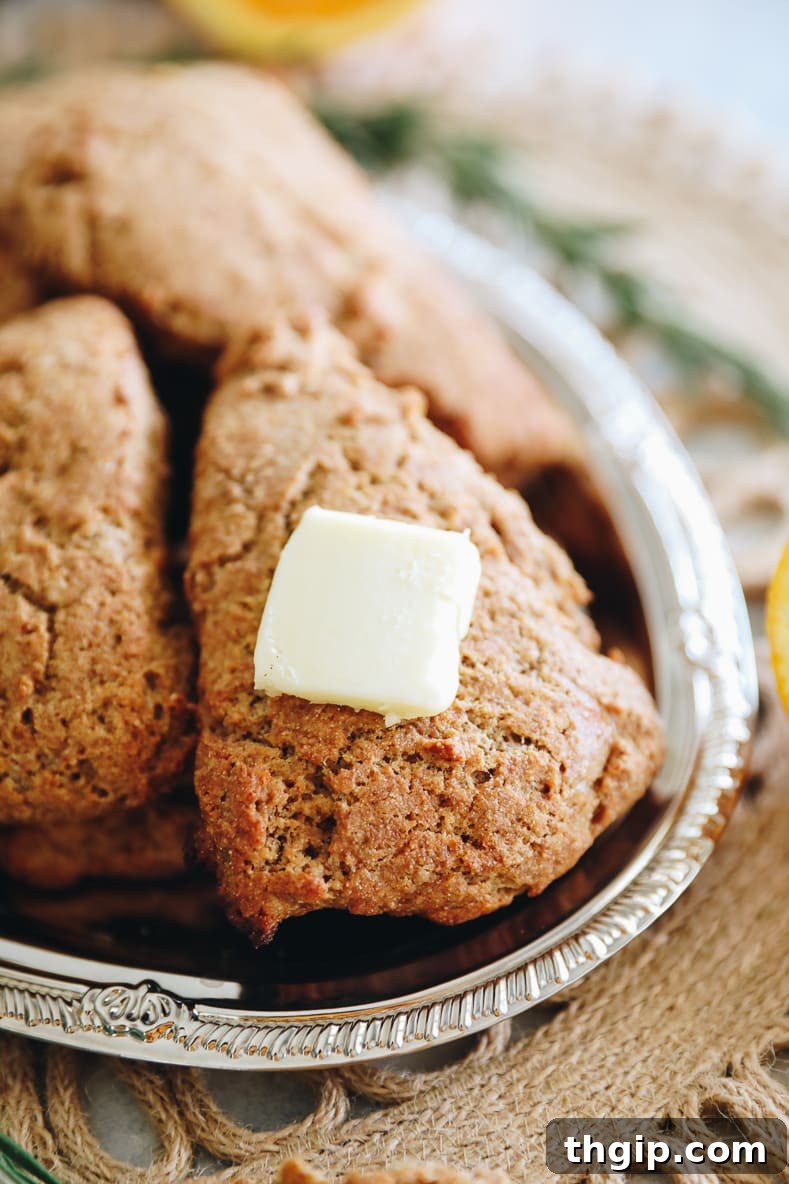
STEP 9: Bake to Golden Perfection. Place the baking sheet with the separated scones into your preheated 400°F (200°C) oven. Bake for 15-20 minutes, or until the scones have risen beautifully and are golden brown around the edges. The aroma filling your kitchen will be incredible! Once baked, remove them from the oven. These scones are best served immediately while still warm, perhaps with a pat of butter, your favorite fruit preserves, or a dollop of creamy nut butter for an extra touch of indulgence.
Troubleshooting & Expert Tips for Perfect Homemade Scones
Baking scones is a rewarding experience, and with a few key insights, you can avoid common pitfalls and achieve perfectly tender, flaky results every time. Here’s how to troubleshoot and master your scone-making skills:
The Secret to Flaky Scones: Cold Butter is Non-Negotiable!
Are your scones turning out flat or lacking flakiness? The likely culprit is butter that wasn’t cold enough or was overworked. The secret to wonderfully flaky scones lies in using very cold butter, cut into small cubes. When these cold butter pieces hit the hot oven, they create steam, which pushes apart the layers of dough, resulting in those desirable flaky pockets. If your butter is too warm or gets too incorporated into the flour, it melts before it can create this steam, leading to dense, cake-like scones. Ensure your butter is straight from the refrigerator and work quickly when cutting it into the dry ingredients.
Preventing Dense Scones: The Art of Gentle Mixing
Are your scones too dense or tough? This is a classic sign of overmixing the batter. Once the wet ingredients are added to the dry, stir just until everything is combined. A few streaks of flour remaining are perfectly fine, even desirable. Overmixing develops the gluten in the whole wheat flour, which can make the scones chewy and heavy rather than light and tender. Embrace a slightly shaggy dough; it’s a good indicator that you haven’t overdone it.
Additional Tips for Scone Success:
- Don’t Twist the Cutter: If you’re using a round cutter, press straight down and lift straight up. Twisting the cutter can seal the edges of the scone, preventing it from rising properly. For this recipe, we’re cutting wedges, so ensure your knife is sharp for clean cuts.
- Preheat Your Oven Thoroughly: A properly preheated oven ensures that the scones start baking immediately, allowing the butter to create steam efficiently and the leavening agents to activate for optimal rise.
- Fresh Ingredients Matter: Especially for the orange zest and rosemary, using fresh, high-quality ingredients will significantly impact the flavor profile of your scones.
- Avoid Overworking the Dough: The less you handle the dough, the more tender your scones will be. Work quickly and with a light touch.
How to Serve These Delicious Scones
These whole wheat orange rosemary scones are an absolute delight straight out of the oven! The warmth enhances their delicate flavors and buttery texture. Serve them simply with a generous pat of unsalted butter that melts into the crumb, or elevate them further with your favorite fruit preserves, such as apricot or fig, which would beautifully complement the orange notes. For a protein boost, a creamy nut butter like almond or cashew butter makes for a satisfying pairing. They are also wonderful alongside a fresh cup of coffee or a fragrant herbal tea, making for a truly comforting and elegant breakfast or brunch spread.
Storing Your Homemade Scones for Lasting Enjoyment
One of the best qualities of these scones is how well they store, allowing you to enjoy them for days to come or save them for a future treat! After allowing your freshly baked scones to cool completely to room temperature, transfer them to an airtight container. They will keep beautifully in the refrigerator for up to one week. If you wish to extend their shelf life even further, you can freeze them for up to one month.
When you’re ready to enjoy frozen scones, simply let them thaw to room temperature first. For the absolute best eating pleasure, we highly recommend gently warming them up before serving. You can pop them in a preheated oven at 300°F (150°C) for about 5-10 minutes, or use a microwave for 15-30 seconds until just warm through. This quick reheat will bring back some of their fresh-baked tenderness and aroma, making them taste almost as good as they did on day one!
Orange Rosemary Scones

Average: 3 from 1 review
Start your day with these delicious and easy whole wheat orange rosemary scones. Made with freshly squeezed orange juice, flavorful fresh rosemary and whole grain whole wheat flour.
- Author: Davida Lederle
- Prep Time: 25 minutes
- Cook Time: 20 minutes
- Total Time: 45 minutes
- Yield: 8 scones
- Category: Breakfast
- Method: Bake
Ingredients
- 2 cups whole wheat flour
- 1/4 cup coconut palm sugar
- 1 tsp orange zest
- 2 tsp baking powder
- 1/2 tsp baking soda
- 1/2 tsp sea salt
- 1 cup orange juice
- 2 sprigs of fresh rosemary
- 2 tbsp maple syrup
- 2 tbsp milk, of choice
- 1 tsp apple cider vinegar
- 1 large egg
- 5 tbsp cold butter, cubed
Instructions
- Mix together whole wheat flour, coconut palm sugar, orange zest, baking powder, baking soda and salt. Set aside.
- In a small pot add orange juice and fresh rosemary. Bring to a boil.
- Once mixture starts boiling lower heat to a simmer and cover for 5 minutes.
- Turn off stove top and strain orange-rosemary mixture to remove sprigs. I used a thin-holed strainer but cheesecloth would also work.
- To the bowl with the orange-rosemary juice add maple syrup, milk and apple cider vinegar – cool to room temp.
- Once cooled, whisk in egg.
- Preheat oven to 400 degrees F.
- Add cubed butter and mix into dry ingredients using hands (or a pastry cutter) until crumbly consistency is reached.
- Add the wet mixture to the dry and stir to combine. Do not overmix.
- Form scone dough into a ball and place on a parchment (or silicone) lined baking sheet. Using hands press out into a large circle with the dough about 1.5 inches thick or about 8-9 inches wide.
- Slice dough into 8 pieces and separate on baking sheet – they may fall apart slightly, just piece back together with hands.
- Bake in oven for 15-20 minutes or until scones are golden-brown around the edges.
- Serve immediately while still warm with butter, preserves or nut butter of choice.

Frequently Asked Questions About Scones
- What makes scones flaky?
- The key to flaky scones is using very cold butter. As the cold butter melts in the hot oven, it creates pockets of steam that lift the layers of dough, resulting in a light, airy, and flaky texture.
- Can I use dried rosemary instead of fresh?
- While fresh rosemary offers the best flavor, you can substitute dried rosemary in a pinch. Use about 1 teaspoon of dried rosemary for every tablespoon of fresh rosemary called for, as dried herbs are more concentrated. However, the herbal notes will be slightly different.
- How long do homemade scones last?
- Freshly baked scones are best enjoyed on the day they are made. However, stored in an airtight container at room temperature, they will stay fresh for 1-2 days. In the refrigerator, they can last up to a week. For longer storage, freeze them for up to a month.
- Can I prepare scone dough ahead of time?
- Yes! You can prepare the scone dough up to the point of cutting the wedges (Step 8), then cover the baking sheet tightly with plastic wrap and refrigerate for up to 24 hours. Alternatively, you can freeze the unbaked wedges on a baking sheet until solid, then transfer them to an airtight freezer bag for up to a month. Bake directly from frozen, adding a few extra minutes to the baking time.
- What’s the difference between a scone and a biscuit?
- Scones and biscuits are very similar but have some key differences. Scones typically contain egg and sugar, giving them a richer, slightly sweeter flavor and a more tender, often flakier texture. Biscuits are usually savory or unsweetened, rely on baking powder for lift, and have a more robust, crumbly texture. Both are delicious quick breads!
More Wholesome Baked Goods to Discover
If you’ve enjoyed these delicious orange rosemary scones, you’ll surely love exploring more of our wholesome baking recipes. Here are some other delightful treats to try that are perfect for breakfast, brunch, or an afternoon pick-me-up:
- Morning Glory Muffins
- Gluten-Free Lemon Poppyseed Loaf
- Blueberry Hazelnut Crumb Bars
- Chocolate Chip Zucchini Banana Bread