
Navigating the world of healthy eating can sometimes feel overwhelming, especially when faced with an array of nutrient-dense ‘superfoods.’ A common question that arises for many, myself included, is how to differentiate between popular seeds like hemp, chia, and flax. While all three are lauded for their essential fatty acids and high fiber content, their unique profiles offer distinct advantages that warrant a closer look. This comprehensive guide aims to demystify one of these incredible seeds: hemp seeds.
We’ll dive deep into the remarkable nutritional composition of hemp seeds, uncover what sets them apart, and provide practical ways to integrate them into your diet. By the end, you’ll not only understand why hemp seeds are celebrated but also be equipped with a delicious recipe to put that knowledge into action.
The Mighty Hemp Seed: A Nutritional Powerhouse
When you hear “hemp,” what comes to mind? For many, it might conjure images of eco-conscious lifestyles, natural fibers, or perhaps even a common misconception linking it to marijuana. It’s true that hemp, derived from the Cannabis sativa L. plant, has a long history of diverse non-edible uses. For centuries, its robust fibers have been utilized to produce paper, durable clothing, and strong ropes, and its oil was historically used for lamps. Today, these applications continue to thrive, showcasing hemp’s versatility and sustainability.
However, the most significant distinction to make, especially concerning its edible form, is between industrial hemp and marijuana. While both originate from the same plant species, they come from different varieties—much like different breeds of dogs within the same species. Marijuana is cultivated from psychoactive varieties of Cannabis, primarily for its flowering tops and leaves that contain high levels of tetrahydrocannabinol (THC), the compound responsible for its intoxicating effects. Hemp seeds, on the other hand, are harvested from non-psychoactive varieties of Cannabis sativa L. These plants are specifically bred to contain negligible levels of THC (typically less than 0.3%), meaning that consuming hemp seeds, or any hemp-derived food product, will not produce a “high.” This critical difference underscores why industrial hemp is legally grown and widely consumed for its nutritional benefits across many regions, offering a safe and potent source of vital nutrients.
Now that we’ve cleared up the common misconceptions, let’s turn our attention to the incredible nutritional benefits that make hemp seeds an undeniable superfood.
Unlocking the Health Benefits of Hemp Seeds
1. A Complete Plant-Based Protein Source
Hemp seeds are a rare gem in the plant kingdom, offering a complete protein profile. This means they contain all 20 amino acids, including the nine essential amino acids that our bodies cannot produce on their own and must obtain from dietary sources. This makes them an exceptional protein source for everyone, particularly individuals following vegetarian or vegan diets who often need to combine various plant foods to achieve a complete amino acid intake. Just one ounce (approximately two tablespoons) of shelled hemp seeds provides an impressive 9-10 grams of easily digestible protein, making them an efficient builder and repairer of tissues, muscles, and enzymes in the body. Their protein content is primarily in the form of edestin and albumin, which are considered high-quality storage proteins, highly bioavailable, and gentle on the digestive system.
2. Abundant in Essential Fatty Acids (Omega-6s and Omega-3s)
Often referred to as “Nature’s most perfectly balanced oil,” hemp seeds stand out as the highest botanical source of essential fatty acids (EFAs), specifically Omega-6 (linoleic acid, LA) and Omega-3 (alpha-linolenic acid, ALA). These fatty acids are termed “essential” because the human body cannot synthesize them, yet they are crucial for numerous physiological functions, including brain health, cell membrane structure, hormone production, and inflammatory response regulation. Hemp seeds boast a superior EFA content compared to flax seeds or any other common nut or seed, making them a top-tier choice for supporting overall health.
3. The Golden Ratio: Optimal Omega-6 to Omega-3 Balance
Beyond simply providing essential fatty acids, hemp seeds offer a nearly perfect 3:1 ratio of Omega-6 to Omega-3. This specific ratio is vitally important for human health. Modern Western diets are often characterized by an excessive intake of omega-6 fatty acids and a significantly skewed omega-6/omega-3 ratio (often as high as 15:1 or 20:1). This imbalance is a major contributing factor to the pathogenesis of many chronic inflammatory diseases, including cardiovascular disease, certain cancers, autoimmune disorders, and various inflammatory conditions. By consistently consuming foods with a balanced ratio, such as hemp seeds, we can help restore equilibrium, reduce systemic inflammation, and promote a healthier internal environment that supports disease prevention and overall well-being. This ideal balance makes hemp seeds not just a source of EFAs, but a tool for correcting dietary imbalances.
4. Rich in Vitamins and Minerals
Hemp seeds are miniature powerhouses of micronutrients. They are an excellent source of vitamin E, a potent antioxidant that protects cells from oxidative damage, supporting skin health and immune function. They also provide significant amounts of magnesium, essential for over 300 enzymatic reactions in the body, including muscle and nerve function, blood glucose control, and blood pressure regulation. Furthermore, hemp seeds are rich in potassium, crucial for maintaining fluid balance and nerve signals, and iron, vital for oxygen transport in the blood and preventing anemia. Other notable minerals include zinc, important for immune function and wound healing, and phosphorus, critical for bone health and energy metabolism. The synergistic effect of these vitamins and minerals contributes to robust overall health.
5. A Treasure Trove of Phytonutrients
Beyond the well-known vitamins and minerals, hemp seeds are a rich source of phytonutrients. These naturally occurring plant compounds possess powerful disease-protective properties that go beyond basic nutrition. Phytonutrients in hemp seeds act as antioxidants and anti-inflammatory agents, working to protect your immunity, bloodstream, tissues, cells, skin, and organs from damage. They contribute to a strong defense against environmental stressors and support long-term health by reducing the risk of various chronic diseases.
6. Supporting Digestive Health and More
While shelled hemp seeds (hemp hearts) contain less fiber than whole, unshelled seeds, they still offer some beneficial fiber, which aids in digestion, promotes gut health, and helps regulate blood sugar levels. The combination of healthy fats, protein, and fiber makes hemp seeds highly satiating, helping to manage appetite and support healthy weight management. Their unique nutrient profile also contributes to radiant skin and hair, thanks to the essential fatty acids that nourish cell membranes and reduce dryness and inflammation.
Incorporating Hemp Seeds into Your Daily Diet
Given their mild, nutty flavor and soft texture, hemp seeds are incredibly versatile and easy to incorporate into almost any meal. They don’t require soaking or grinding like some other seeds, making them a convenient addition to your diet. However, like all fatty acid-containing foods (chia, flax, nuts, other seeds), they should be consumed in moderation as part of a balanced diet. While hemp may contain the highest amount of these beneficial fatty acids among seeds, its perfect 3:1 ratio ensures optimal balance if consumed in recommended quantities. Here are some popular and delicious ways to enjoy them:
- Smoothies: Blend a tablespoon or two into your morning smoothie for an extra protein and EFA boost.
- Oatmeal & Yogurt: Sprinkle generously over your breakfast oatmeal, cereal, or yogurt.
- Salads & Soups: Add them as a crunchy topping to salads, roasted vegetables, or pureed soups.
- Baking: Incorporate them into homemade granola bars, muffins, breads, or energy bites for added nutrition.
- Hemp Milk: Blend with water and strain to create your own creamy, plant-based milk.
- Pesto: Substitute pine nuts with hemp seeds for a unique, nutritious pesto.
To get you started, here’s a delicious and easy recipe that highlights the versatility and nutritional punch of hemp seeds.
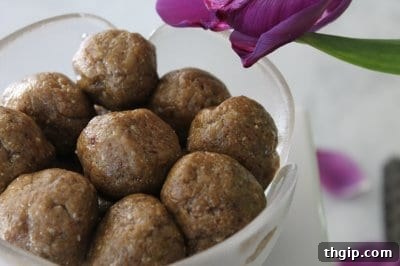
Lemon Hemp Bites
- Total Time: 10 minutes
- Yield: 15 balls
Ingredients
- 1 cup cashews
- 1 cup dates (pitted)
- ¼ cup shelled hemp seeds (hemp hearts)
- ¼ cup vanilla protein powder (e.g., Vega)
- zest of 1 lemon
- juice of ½ a lemon
- ¼ tsp sea salt
Instructions
- In a food processor, pulse cashews and pitted dates together until well broken down and forming a crumbly mixture (approximately 2 minutes).
- Add in all other ingredients (except for the lemon juice) and process for 1 minute until well combined.
- While the processor is running, gradually add in the juice of half a lemon until all ingredients come together to form a large, cohesive ball.
- Divide the mixture into 15 medium-sized balls for an easy, nutritious energy boost! Store these delightful bites in the refrigerator for up to a week, or in the freezer for up to a month for longer preservation.
Have you already incorporated hemp seeds into your diet? We’d love to hear your favorite ways to use them and any creative recipes you’ve discovered! Share your thoughts in the comments below.
For those eager to delve even deeper into the extensive research and benefits surrounding hemp seeds, exploring reputable health and nutrition resources can provide a wealth of additional information.