
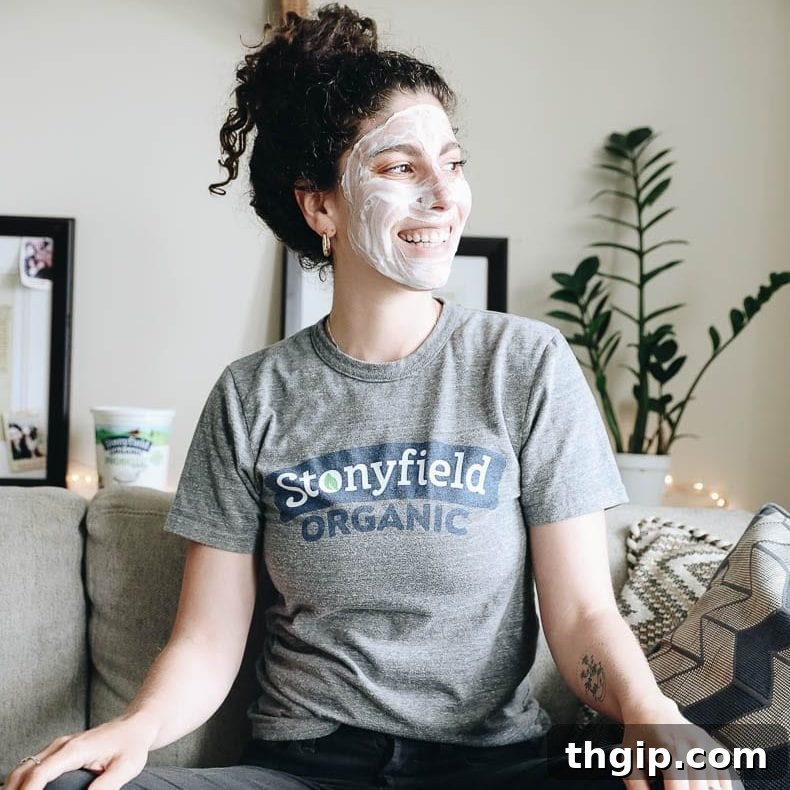
Yogurt isn’t just a delicious and healthy treat for your gut; it’s also a powerhouse ingredient for achieving radiant, healthy skin. Rich in probiotics and skin-loving nutrients, a homemade yogurt face mask can transform your complexion, addressing concerns from dryness and dullness to redness and acne. This comprehensive guide will walk you through the simple steps to create your own DIY yogurt face mask, exploring the remarkable benefits of each ingredient and offering tips for a truly rejuvenating skincare experience. Get ready to unlock the secret to naturally glowing skin right from your kitchen!
The Ultimate DIY Yogurt Face Mask for Radiant, Healthy Skin
In a world saturated with complex skincare routines and expensive products, sometimes the best solutions are found right in nature – or in your refrigerator! A DIY yogurt face mask is a testament to this, offering a simple yet incredibly effective way to nourish your skin. It’s a natural, accessible, and budget-friendly alternative that harnesses the inherent goodness of yogurt, often enhanced with other kitchen staples like honey and beneficial add-ins. This guide is your complete resource for understanding, preparing, and applying the perfect yogurt face mask to achieve your skin health goals.
Unlocking the Power of Yogurt: Why Your Skin Will Love It
For many, the word “yogurt” immediately brings to mind digestive health, thanks to its rich probiotic content. While it’s true that a healthy gut microbiome is crucial for overall wellness, including clear skin, the benefits of yogurt extend directly to your complexion when applied topically. Your skin, much like your gut, boasts its own unique microbiome – a delicate balance of bacteria that plays a vital role in its health and appearance. Here’s a closer look at why yogurt is a fantastic addition to your skincare regimen:
The Skin Microbiome: A Hidden Hero for Skin Health
Just as probiotics support a healthy gut, they can also help balance the beneficial bacteria on your skin’s surface. A balanced skin microbiome acts as a protective shield, warding off harmful pathogens, reducing inflammation, and maintaining skin barrier function. When this balance is disrupted – by harsh cleansers, environmental stressors, or even internal factors – it can lead to common skin issues like acne, rosacea, eczema, and excessive redness. Applying yogurt topically introduces friendly bacteria that can help restore equilibrium, calming irritation and promoting a clearer complexion. This makes a probiotic-rich yogurt mask an excellent strategy for those struggling with sensitive or reactive skin.
Lactic Acid: Nature’s Gentle Exfoliator and Brightener
One of yogurt’s most significant skin benefits comes from its natural content of lactic acid. Lactic acid is an alpha hydroxy acid (AHA) known for its gentle exfoliating properties. Unlike harsher physical exfoliants, lactic acid works by dissolving the bonds between dead skin cells, allowing them to slough away more easily. This process reveals fresher, brighter skin underneath, improving texture, evening out skin tone, and reducing the appearance of fine lines and hyperpigmentation. Regular use of lactic acid can lead to a smoother, more luminous complexion. It’s also a humectant, meaning it attracts and retains moisture, leaving your skin feeling hydrated and plump rather than stripped.
Soothing Inflammation and Redness
Yogurt naturally possesses cooling and anti-inflammatory properties, making it an ideal remedy for irritated or inflamed skin. Whether you’re dealing with a sunburn, a breakout, or general redness, a cool yogurt mask can provide immediate relief. The zinc content found in yogurt also contributes to its anti-inflammatory effects and can aid in calming angry blemishes. Its soothing action helps to reduce visible redness and promote an overall sense of comfort for stressed skin.
Deep Hydration and Nourishment
Beyond exfoliation, yogurt is a fantastic natural moisturizer. Its proteins and fats help to hydrate the skin, strengthening its natural moisture barrier and preventing water loss. This makes it particularly beneficial for individuals with dry or combination skin, helping to alleviate flakiness and tightness. The vitamins and minerals present in yogurt also provide essential nourishment, contributing to overall skin vitality and resilience.
Crafting Your Perfect Yogurt Face Mask: Essential Ingredients
The beauty of a DIY yogurt face mask lies in its simplicity and versatility. While a plain yogurt mask is effective on its own, adding a few extra ingredients can amplify its benefits and tailor it to your specific skin concerns. Here are the core ingredients and some popular optional additions:
The Foundation: Greek Yogurt
- Why Greek Yogurt? Greek yogurt is undoubtedly the best choice for a face mask. Its thicker, creamier consistency ensures it will adhere to your face without dripping, providing a more effective treatment. Furthermore, Greek yogurt often has a higher concentration of probiotics and protein compared to regular yogurt, boosting its skin-nourishing power. Opt for plain, unsweetened Greek yogurt to avoid any unnecessary sugars or additives that could irritate the skin.
The Golden Elixir: Raw Honey
- Benefits of Raw Honey: Honey is an ancient beauty secret, celebrated for its remarkable healing and moisturizing properties. Raw honey (unpasteurized and unfiltered) is particularly potent, packed with antioxidants, antibacterial compounds, and anti-inflammatory agents. It’s a natural humectant, meaning it draws moisture from the air into your skin, leaving it soft and supple. Honey is excellent for combating acne due to its antimicrobial action, soothing irritation, and speeding up the healing of blemishes. It’s suitable for all skin types, especially acne-prone, dry, or sensitive skin.
Elevate Your Mask: Optional Power-Ups
Customize your mask to target specific concerns by incorporating these beneficial add-ins. Always start with a small amount and adjust as needed:
- Lavender Essential Oil (1-2 drops): Known for its calming and soothing properties, lavender oil can help reduce redness and promote relaxation. Ensure it’s therapeutic grade and perform a patch test first.
- Matcha Powder (1 tsp): A potent source of antioxidants (especially EGCG), matcha helps protect the skin from environmental damage, reduces inflammation, and can brighten the complexion. It’s excellent for anti-aging and revitalizing dull skin.
- Raw Cacao Powder (1 tsp): Rich in flavanols and antioxidants, raw cacao can improve blood flow to the skin, enhancing its glow and elasticity. It’s also known for its detoxifying properties.
- Activated Charcoal (1/2 tsp): Ideal for oily and acne-prone skin, activated charcoal acts like a magnet, drawing out impurities, toxins, and excess oil from deep within the pores. Use sparingly to avoid over-drying.
- Turmeric Powder (1/4 tsp): A powerful anti-inflammatory and antioxidant, turmeric can help brighten skin, reduce hyperpigmentation, and calm breakouts. Be mindful that it can temporarily stain skin or fabric, so use a small amount.
- Aloe Vera Gel (1 tsp): Known for its exceptional soothing and healing properties, aloe vera is perfect for irritated, sunburned, or sensitive skin. It provides deep hydration without feeling heavy.
- Fine Ground Oatmeal (1 tsp): A gentle exfoliant and a wonderful soothing agent for sensitive or itchy skin. Oatmeal helps to absorb excess oil and calms irritation, making it great for eczema or redness.
The Organic Choice: Why Quality Dairy Matters for Your Skin
When selecting yogurt for your face mask, or any dairy product for consumption, the “organic” label isn’t just a marketing ploy; it signifies a commitment to higher standards that directly impact the quality of the product and, consequently, your skin. The misconception that organic dairy is somehow “dirty” or less sterile is a myth. In reality, organic dairy production adheres to stringent regulations designed to ensure purity and sustainability.
Beyond the Gut: The Impact of Organic Ingredients
Organic dairy production prohibits the use of harmful pesticides, synthetic fertilizers, and genetically modified organisms (GMOs). This means the cows graze on pastures that haven’t been treated with toxic chemicals, and their feed is free from artificial additives. When you apply conventional yogurt to your face, you risk exposing your skin to residues of these undesirable substances. Organic yogurt, conversely, offers a cleaner, purer product, reducing the potential for skin irritation and allergic reactions from chemical exposure.
The Truth About Antibiotics and Hormones
A significant distinction of organic dairy is the strict prohibition against the routine use of antibiotics and synthetic growth hormones (like rBGH) in cows. The widespread use of antibiotics in conventional farming contributes to the global crisis of antibiotic-resistant bacteria, or “superbugs,” which pose a serious threat to human health. When you choose organic, you’re not only supporting responsible farming practices but also avoiding potential exposure to these antibiotics, which can be present in dairy products. Synthetic hormones, similarly, are linked to various health concerns and are best avoided, especially when considering topical application to sensitive skin.
Cows on organic farms are also typically subject to more humane living conditions, spending at least 120 days a year grazing outdoors on nutritious pasture. This natural environment and diet contribute to healthier, less stressed animals, which in turn leads to higher quality dairy. A healthier cow produces healthier milk, richer in beneficial nutrients and free from the byproducts of stress or illness that might necessitate pharmaceutical intervention. Brands like Stonyfield Organic are exemplary in their transparency, showcasing their commitment to ethical sourcing and adherence to USDA organic regulations, ensuring you get a product that is as good for your skin as it is for the planet.
It’s important to note that like conventional dairy, organic dairy is still pasteurized to eliminate any harmful foodborne pathogens, ensuring product safety. While there is a niche for raw dairy, for topical applications and general consumption, pasteurized organic dairy is the safest and most recommended choice. For external use, the fermentation process that creates yogurt further enhances its beneficial properties without the risks associated with raw milk consumption.
Supporting Humane Practices and Personal Health
My decision to choose organic dairy stems from two core principles. Firstly, it ensures significantly better living conditions for the animals. As a consumer of animal products, it is paramount for me to support farmers who prioritize humane and ethical practices. Secondly, it is undeniably better for my personal health. By avoiding pesticides, antibiotics, and synthetic hormones, I ensure that what I’m putting on and in my body is as pure and beneficial as possible. This choice not only benefits individual well-being but also contributes positively to the long-term health and sustainability of our planet.
Step-by-Step Guide: How to Make Your DIY Yogurt Face Mask
Making a yogurt face mask is incredibly straightforward. Even just plain yogurt will offer remarkable benefits, but with a few simple additions, you can create a truly customized and potent skincare treatment. Here’s how to whip up your own mask:
Ingredients You’ll Need:
- 1/4 cup of plain, organic Greek yogurt (Stonyfield’s probiotic yogurt is an excellent choice for its consistency and quality)
- 1-2 teaspoons of raw honey (for its antioxidant, moisturizing, and calming properties)
- Optional add-ins (choose one or a combination):
- 1-2 drops of lavender essential oil (for a calming effect)
- 1 teaspoon of matcha powder (for antioxidant power)
- 1 teaspoon of raw cacao powder (for skin elasticity and detox)
- 1/2 teaspoon of activated charcoal powder (for deep cleansing)
- 1/4 teaspoon of turmeric powder (for brightening and anti-inflammatory action)
- 1 teaspoon of aloe vera gel (for soothing and hydration)
- 1 teaspoon of fine ground oatmeal (for gentle exfoliation and calming)
Instructions:
- Combine Ingredients: In a small, clean bowl, add the 1/4 cup of Greek yogurt.
- Add Honey: Stir in 1-2 teaspoons of raw honey until thoroughly blended with the yogurt.
- Incorporate Optional Add-ins: If you’re using any of the optional ingredients (lavender oil, matcha, cacao, charcoal, turmeric, aloe, or oatmeal), add them now and mix well until you have a smooth, consistent paste.
- Prepare Your Skin: Ensure your face is clean and slightly damp. This allows the mask to adhere better and for the ingredients to penetrate more effectively.
Mastering the Application: Get the Most Out of Your Mask
Applying your DIY yogurt face mask is a crucial step in maximizing its benefits. Follow these guidelines for an optimal masking experience:
Pre-Application Ritual:
Before applying any mask, it’s essential to start with a clean canvas. Gently cleanse your face to remove any makeup, dirt, and impurities. Pat your skin slightly damp with a soft towel; a little moisture helps the mask spread easily and aids in ingredient absorption.
Applying the Mask:
Using clean fingertips or a soft, flat foundation brush, apply an even layer of the yogurt mask to your face, avoiding the delicate eye area and lips. Take your time, making sure to cover all areas you wish to treat. If you have extra mask, you can also apply it to your neck and décolletage for added benefits.
Relax and Rejuvenate:
Allow the mask to work its magic for approximately 15-20 minutes. This is your cue to relax! Lie down, listen to calming music, or simply close your eyes and breathe deeply. Let the nourishing ingredients penetrate your skin, and enjoy a moment of self-care.
Gentle Removal:
Once the time is up, gently rinse off the mask with lukewarm water. Use circular motions to help lift away any remaining mask and provide a very light exfoliation. Ensure all traces of the mask are removed, then pat your face dry with a clean, soft towel.
Post-Mask Skincare:
After rinsing, continue with your regular skincare routine. This is the perfect time to apply a hydrating toner, a nourishing serum, and crucially, a good moisturizer or facial oil. Sealing in the hydration with a quality moisturizer will lock in the benefits of your mask and leave your skin feeling incredibly soft and supple.
Pro Tips for a Blissful Masking Experience
To ensure you get the most out of your DIY yogurt face mask and integrate it seamlessly into your self-care routine, consider these expert tips:
- Frequency: For most skin types, using a yogurt face mask 1-2 times per week is ideal. Those with very sensitive skin might start with once a week, while those with oily or acne-prone skin might use it up to three times a week. Listen to your skin and adjust accordingly.
- Patch Test Always: Especially when trying new add-ins or if you have sensitive skin, always perform a patch test on a small, inconspicuous area of your skin (like behind your ear or on your inner forearm) 24 hours before applying the mask to your entire face. This helps rule out any potential irritation or allergic reactions.
- Freshly Made is Best: While you can prepare the mask a few hours in advance and store it in the refrigerator, it’s best to make it fresh just before use to ensure the active ingredients (especially probiotics) are at their most potent. Do not store leftover mixed mask for more than a day, as it’s a food product and can spoil.
- Consistency is Key: Don’t make the mask too runny, or it will drip. If it’s too thin, add a tiny bit more yogurt or a small amount of an absorbent add-in like fine oatmeal or clay (if suitable for your skin type and approved by you).
- Integrate into Your Routine: Consider using the mask as part of a larger self-care ritual. Light a candle, play relaxing music, and truly make it an enjoyable experience.
- Avoid Open Wounds: Do not apply the mask to broken skin, open wounds, or severe active infections, as this could worsen irritation.
Explore More Natural Skincare Remedies
The world of DIY natural skincare is vast and rewarding, offering gentle yet effective solutions for a variety of concerns. Once you’ve experienced the rejuvenating power of a yogurt face mask, you might be inspired to explore other homemade treatments. Here are some fantastic resources to continue your journey into natural beauty:
- How to Make a Rose Water Toner: A fragrant and hydrating toner, rose water is excellent for balancing skin pH, reducing redness, and providing a refreshing boost to all skin types.
- Nourishing Avocado Hair Mask: Avocados are rich in vitamins and healthy fats, making them a superb ingredient for deep conditioning and strengthening your hair, restoring shine and softness.
- Hydrating Avocado DIY Face Mask: Similar to its hair benefits, avocado on the face provides intense hydration, essential vitamins, and healthy fats to nourish and plump dry or mature skin.
- Exfoliating Salt Scrub: A natural way to slough off dead skin cells, promoting smoother skin and improved circulation. Customize with essential oils for an aromatic experience.
- Homemade Deodorant Recipe: Transition to a natural, aluminum-free deodorant that works effectively while being kind to your body.
- The Best Facial Oils for Dry Skin: Dive into the world of facial oils to find the perfect blend to hydrate, protect, and rejuvenate dry or mature skin, offering concentrated nourishment.
- My Favorite Store-Bought Facial Masks: If you’re looking for curated ready-to-use options, this collection provides trusted recommendations for when you need a quick and effective treatment.
- DIY Cucumber Spa Water: Elevate your hydration with a refreshing and detoxifying cucumber-infused water, perfect for internal wellness that reflects on your skin.
Integrating these natural remedies into your routine can lead to significant improvements in your overall health and well-being, both inside and out.
The versatility of the yogurt face mask means you can always go back to the simple two-ingredient formula or get creative with a range of natural add-ins. Embrace the power of nature and enjoy the journey to healthier, more radiant skin!
Disclaimer: This post is sponsored by Stonyfield. I was compensated for my time, however all opinions expressed are 100% my own. I’m so excited for our partnership and appreciate all your support for THM.